A decade running media teams at music festivals. Countless "almost right" tools. Zero of them designed for the chaos of a live event. So we stopped looking and built the one that should have existed all along.
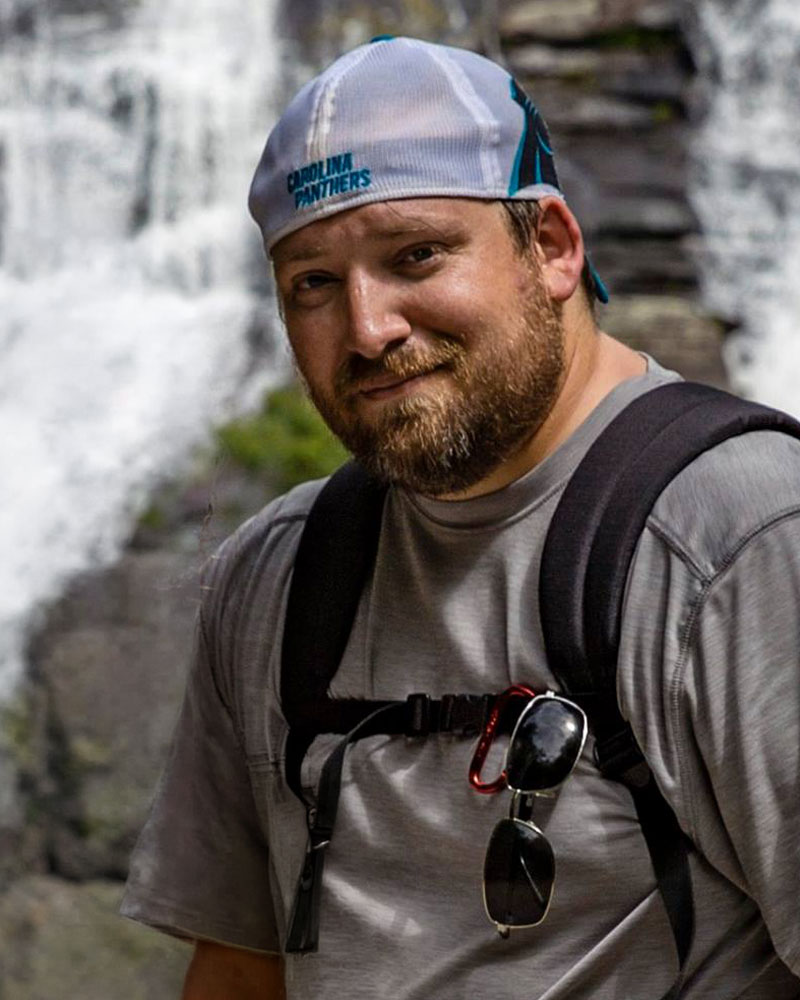
"Every year we'd go into the festival with a slightly better version of the same broken system. And every year, the same questions came back — how do we get more fan experience shots, how do we make submissions actually work? I finally just thought, I'm a developer. I'll build the thing."
"I think my breaking point was when we split the WhatsApp group into a comms thread and a submissions thread because vital messages were getting buried under photo drops. Then Dropbox for artist approvals, but those are one-way — you still had to go back to WhatsApp to chase people down. Meanwhile there are great shots sitting in that thread that never made it into final submissions, and the fest leads are asking where all the fan experience photos went. That's the problem ApprovalTrack was literally built to solve."
We've evaluated everything that's came out since 2018. Some came close. Each on a different axis, which is its own kind of frustration.
ApprovalTrack exists to take the friction out of approving and delivering live event photography. We're built around the realities: multiple shooters, multiple stages, tight windows, busy clients, unanswered approval messages a week later, and a credit sheet nobody wants to maintain by hand.
We make decisions the way an experienced production manager would. We don't add features because a sales team asked. We say no to anything that wouldn't survive a Saturday night at 23:48.
And we keep this an invite-only pilot until we're certain it's the tool we promised.
ApprovalTrack wasn't designed in a boardroom or spec'd out by a product committee. It was built by a festival media manager who got tired of rebuilding the same broken system every summer.
Every feature exists because someone in the pit needed it. Every decision gets made by the same person who answers support. There's no layer between the product and the people who use it — and that's intentional.
Thirty minutes, real screens, no slides. If it's a fit, you'll know by the end of the call.